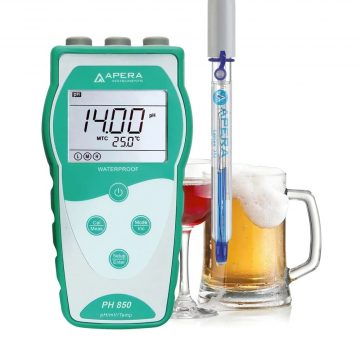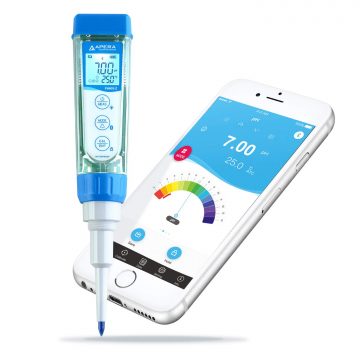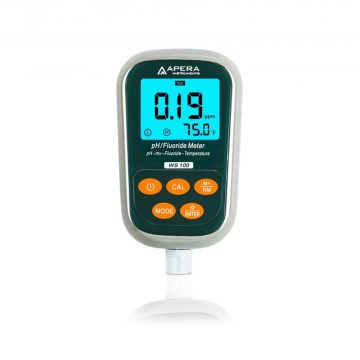

In the food industry, precise measurements play an important role in product quality, process reliability and consistent results. Whether in the production of beverages, dairy products, meat products, baked goods or fermented foods: Monitoring relevant parameters supports reliable quality control throughout the entire production process.
The most important measured variables include the pH value, conductivity and other chemical and physical parameters that can provide information about the composition, stability and quality of a product.

Why are measurements important in the food industry?
Many manufacturing processes are based on precisely controlled conditions. Even small changes can have an impact on taste, consistency, shelf life or production processes.
Regular measurements help with this:
- Monitor production processes
- Ensuring consistent product quality
- Recognize deviations at an early stage
- document production batches
- Optimize processes
- Comply with quality standards
This is why measuring devices are part of the daily quality control in many companies.
The pH value in food
The pH value is one of the most important measured variables in food analysis. It influences numerous properties of a product, including taste, stability, fermentation processes and microbiological conditions.
Typical pH values of various foods are, for example:
| Food | Typical pH value |
|---|---|
| Lemon juice | 2.0 to 2.6 |
| Yogurt | 4.0 to 4.6 |
| Beer | 4.1 to 4.6 |
| Milk | 6.5 to 6.8 |
| Drinking water | 6.5 to 8.5 |
The actual values may vary depending on the product, formulation and manufacturing process.
Further information:
- To the parameter page pH value
pH measurement in fermentation and food production
The pH value often serves as an important control parameter in fermentation processes. Changes can provide information on the course of biological processes and support the assessment of production steps.
Typical areas of application are
- Yogurt production
- Cheese production
- Brewing beer
- Winemaking
- Fermented vegetables
- Food development
Conductivity in food production
Electrical conductivity (EC) is used in many production areas to monitor liquids and cleaning processes. It provides information about the concentration of dissolved substances and can contribute to process control.
Typical applications include:
- Beverage production
- Water treatment
- Cleaning and CIP processes
- Quality control of process water
Further information:
- To the parameter page Conductivity (EC)
- To the parameter page TDS
Typical challenges in the food industry
Manufacturers are often faced with the following tasks:
- Ensuring consistent product quality
- Document production processes
- Monitor fermentation processes
- Control raw materials
- Analyze process water
- Check cleaning processes
Many of these tasks can be efficiently supported by regular measurements.
Recommended measuring devices for the food industry
Particularly suitable for applications in food production:
- pH meters
- Conductivity meters (EC)
- TDS measuring devices
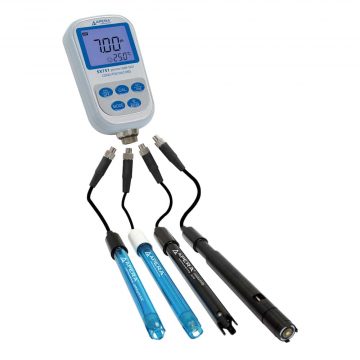
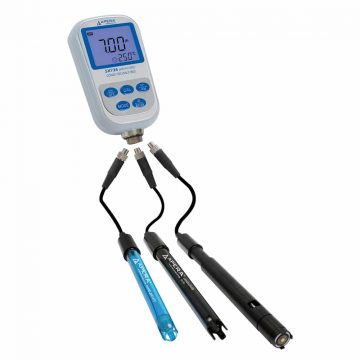
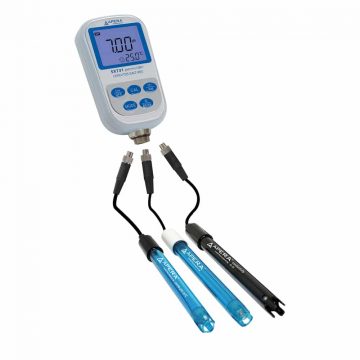
- Multiparameter measuring devices
Apera Instruments offers precise measurement solutions for food manufacturers, laboratories, quality control and research applications. The devices enable fast, reliable and reproducible measurement results in a wide range of production environments.
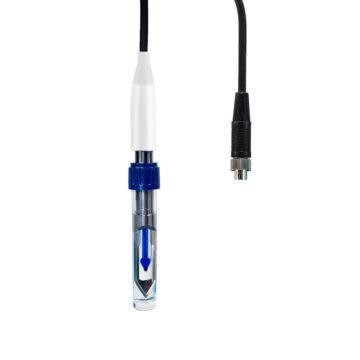
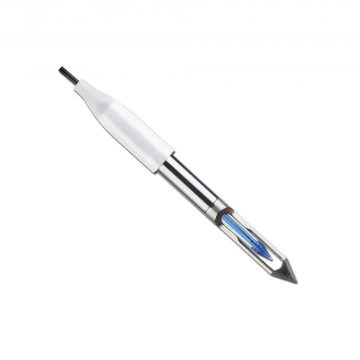
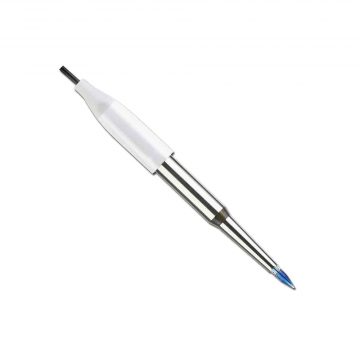
Semi-solid foods require special electrodes that have a titanium coating on the tip, such as our LabSen753 and LabSen763 electrodes.
Related topics
If you would like to find out more about the most important measurement parameters, you can find further information on our specialist pages:
-
 LabSen® 765 combined blade pH electrode for meat, 8-pin connection424.83 €
 -
TN420 White light turbidimeter928.20 €
-
TN480 Infrared Turbidimeter with GLP Data Management and USB Output1,213.80 €
-
SX751 portable pH/Dissolved Oxygen (DO)/ORP/Conductivity (EC)/TDS/Salinity/Resistivity Meter946.05 €
-
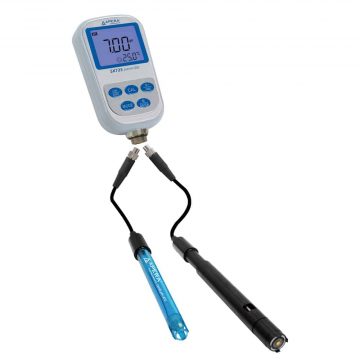
SX736 portable pH/Conductivity (EC)/TDS/Salinity/Resistivity/Dissolved Oxygen (DO) Meter856.80 €
-
SX731 portable pH/ORP/Conductivity (EC)/TDS/Salinity/Resistivity Meter573.58 €
-
SX725 portable pH/Dissolved Oxygen (DO) Meter689.01 €
-
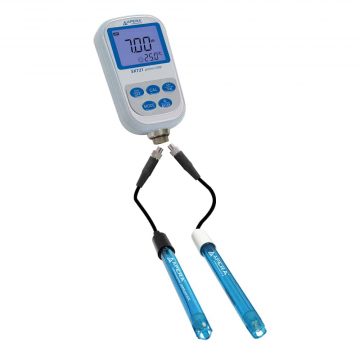
SX721 portable pH/ORP meter351.05 €
-
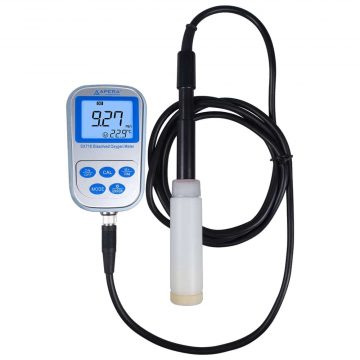
SX716 portable Dissolved Oxygen (DO) Meter589.05 €
-
LabSen® 761 Blade pH electrode for meat415.31 €
-
LabSen® 751 pH insertion electrode for foodstuffs255.85 €
-
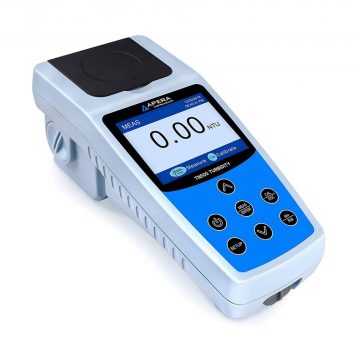
TN500 White Light Turbidimeter with GLP Data Management and USB Output1,284.01 €
-
PH850-BR pH meter for beverage production (beer, wine, juice, etc.)428.40 €
-
PH60S-Z Smart for solid/semi-solid specimens327.25 €
-
WS100 Fluoride/pH meter with 3-in-1 fluoride electrode760.41 €